
Fun Toddler rooms
Tiger Lily, Mermaid and Tinkerbell Rooms
Our Rooms for Enquiring Minds
Designed for curious, energetic learners, our three rooms welcome children from approximately 15 months to 3 years. Each space offers a colourful, happy environment with a rich, engaging routine that supports every child’s development.
What We Provide
- Structured learning through play — Purposeful activities that build early skills while keeping learning fun and engaging.
- Play‑based experiences — A wide variety of hands‑on opportunities that encourage exploration, imagination, and confidence.
- Arts and crafts — Creative activities that strengthen fine motor skills and support self‑expression.
- Individual, small‑group and whole‑group learning — Tailored interactions that meet each child’s needs and promote social development.
- Quiet time and cosy nap spaces — Calm areas where children can rest, recharge, and feel secure.
- Story time — Daily opportunities to enjoy books, build language skills, and spark imagination.
- Independence‑building activities — Encouraging self‑help skills through everyday routines and child‑led exploration.
- Outdoor play — Fresh‑air adventures that support physical development, curiosity, and a love of nature.
- Dedicated key person — A consistent adult who builds strong relationships, supports learning, and ensures every child feels safe and valued.
Curriculum & Learning Goals
- Each room follows its own curriculum goals, carefully planned to meet the developmental needs of the children within it. Staff tailor activities, environments, and routines to ensure every child progresses confidently through the EYFS prime and specific areas of learning.
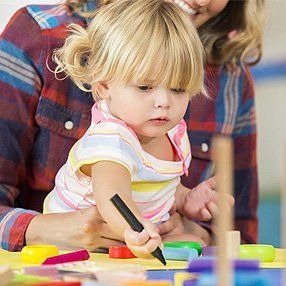
Supporting your toddler milestones
In our Baby and Toddler Room, we work closely with families to help each child progress through important early milestones at their own pace. Our practitioners provide gentle guidance, encouragement and consistency across the following areas:
- Feeding Skills — Self‑feeding with spoons, forks and open cups, we help children develop confidence, coordination and healthy eating habits. We encourage independence while ensuring mealtimes remain calm, positive and nurturing.
- Toileting & Potty Training — When children show readiness, we work with parents to introduce potty training routines. Staff offer reassurance, clear cues, and lots of praise, helping children recognise their bodily signals and build independence.
- Communication & Language — Through songs, stories, simple conversations and play, we support early speech development, understanding of words, turn‑taking and expressive communication. Babies and toddlers are encouraged to use gestures, sounds and words to express their needs.
- Physical Development — We help children strengthen gross and fine motor skills through crawling, climbing, balancing, mark‑making, building and sensory exploration. Our environment encourages safe movement and active learning.
- Social & Emotional Skills — Children learn to share, take turns, build friendships and manage emotions with the support of their key person. We model positive interactions and help children feel secure, confident and understood.
- Independence Skills — Simple routines such as washing hands, tidying toys, choosing activities and helping with small tasks encourage independence and pride in their achievements.
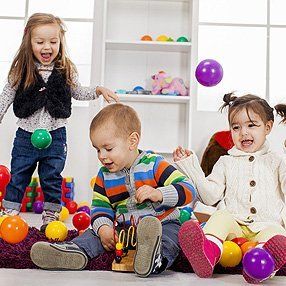
Out and about activities:
Wider Learning & Social Opportunities
Thanks to our excellent location and strong hospital community links, children in our Baby ,Toddler Room and Pre - school rooms enjoy a rich variety of experiences beyond the classroom. These opportunities help build confidence, curiosity and real‑world understanding.
We offer:
- Outdoor garden spaces — Safe, stimulating areas where children explore nature, practise physical skills and enjoy fresh air every day.
- Outdoor play equipment — Climbing, balancing, riding and sensory play that support gross motor development and coordination.
- Local library rhyme‑time visits — Engaging sessions that promote early language, listening skills and a love of books.
- Forest exploring — Nature walks and woodland discovery that encourage curiosity, problem‑solving and imaginative play.
- Visits to the hospital post office — Real‑world experiences that help children understand community roles and everyday routines.
- Hospital positivity path — A gentle, child‑friendly route.
- Trips to Park Hall Farm — Hands‑on learning about animals, nature and the world around them, helping children build empathy and understanding.